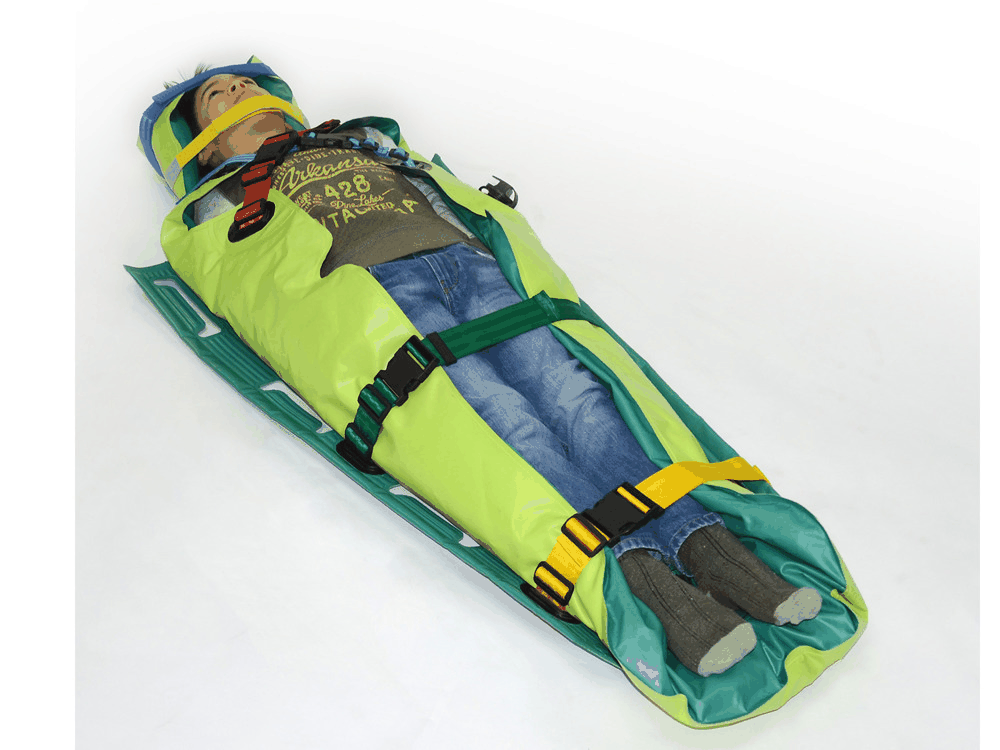
- Indications
- Suspected spinal trauma in blunt injury
- Unconscious or intoxicated patients with unclear history
- Presence of neck pain or neurologic symptoms following trauma
- High-risk mechanism including axial load, fall from height, or high-speed collision
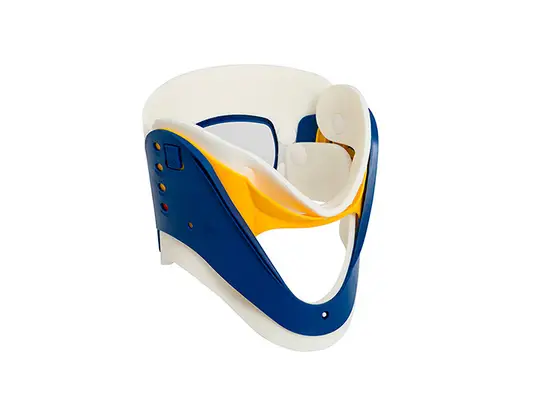
- Cervical collar (rigid C-collar)
- Maintain manual in-line stabilisation throughout application
- Select collar size by measuring from trapezius to mandible angle
- Slide back panel behind neck while maintaining neutral alignment
- Place front panel under chin and secure to back panel
- Confirm snug fit, full support of the mandible, and no respiratory compromise
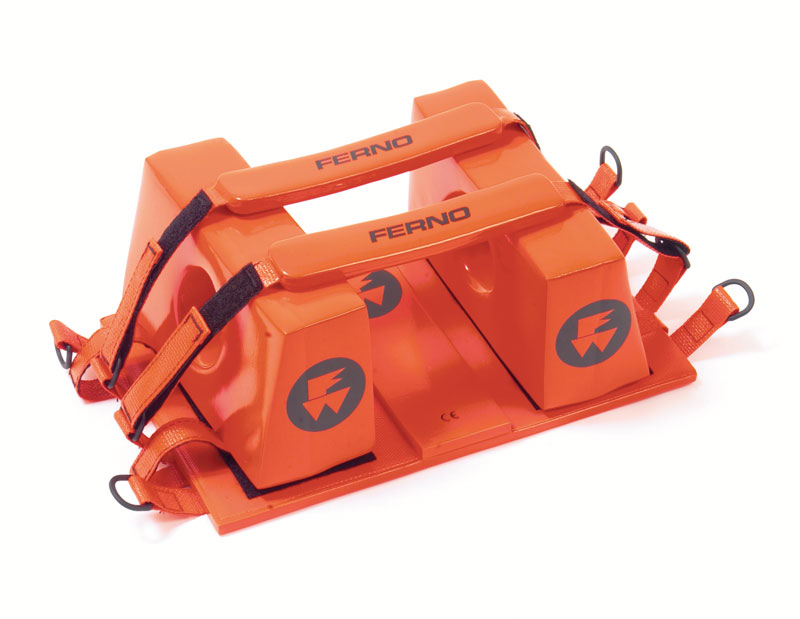
- Head blocks and straps
- Used with a spine board or scoop stretcher
- Place foam blocks or lateral head supports adjacent to the head
- Secure with forehead and chin straps, ensuring they’re firm but not restrictive
- Maintain neutral alignment and reassess stability regularly
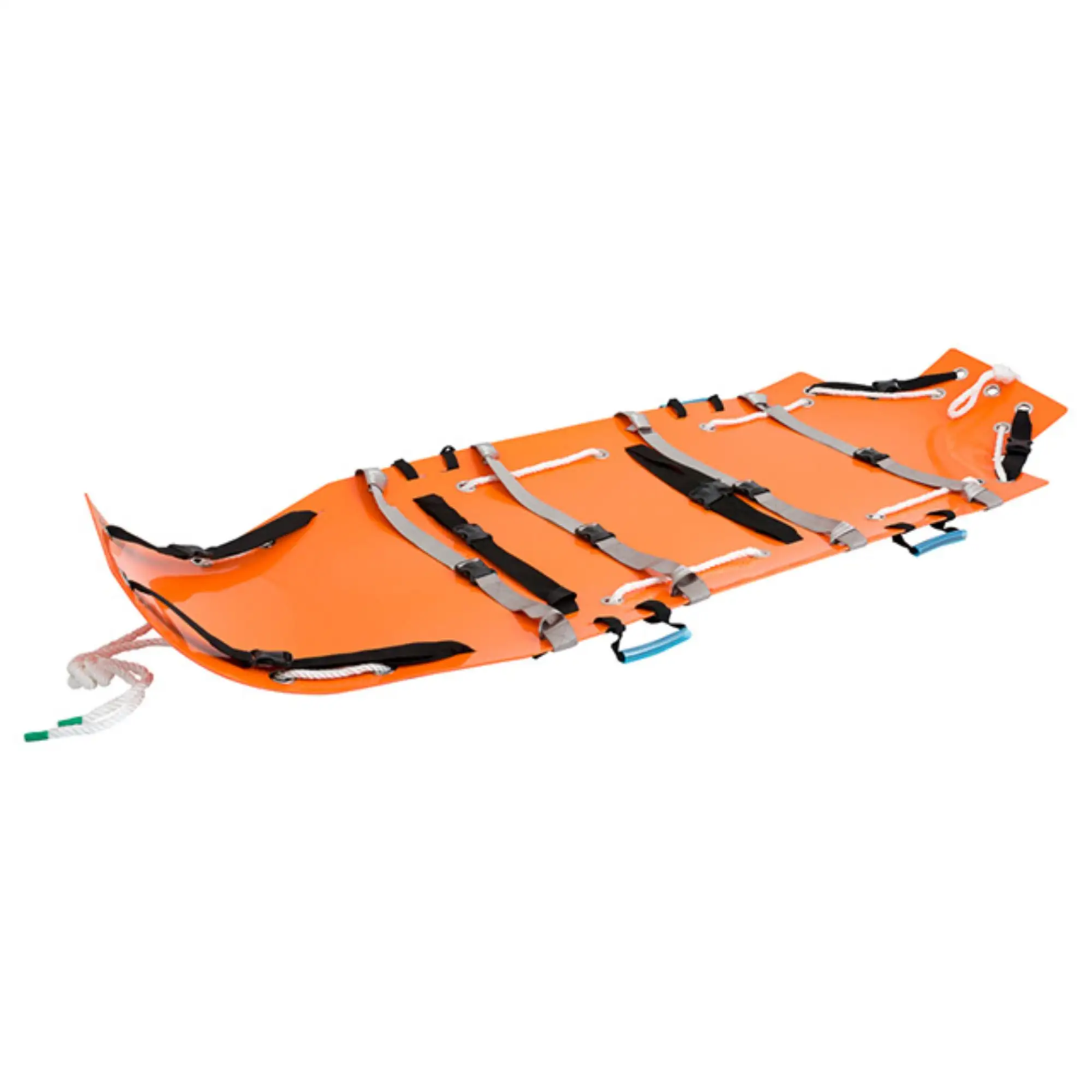
- Long spine board or scoop stretcher
- Used for whole-body spinal immobilisation during transfer
- Requires a four-person log roll to slide device under patient
- Centre patient on device and secure with chest, pelvis, and leg straps
- Monitor for pressure effects and remove as soon as clinically appropriate
- Vacuum mattress
- Alternative to spine board for prolonged immobilisation
- Place patient on mattress and mould around body contours
- Extract air to solidify mattress and apply securing straps
- Manual in-line stabilisation
- Maintained during airway management, device application, and all transfers
- Must be sustained until immobilisation is complete or spinal injury excluded
Rigid C collar
 Head blocks and straps
Long spine board or scoop stretcher
 Vacuum mattress