Overview
- Autosomal dominant, STK11 (LKB1) gene on chromosome 19p13.
- 25% have denovo mutation (no Fhx)
- Prevalence – 1/50,000 – 1/200,000
Clinical Characteristic
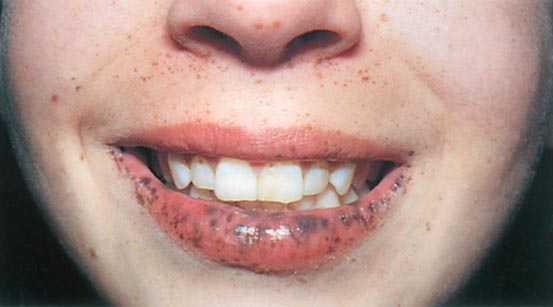
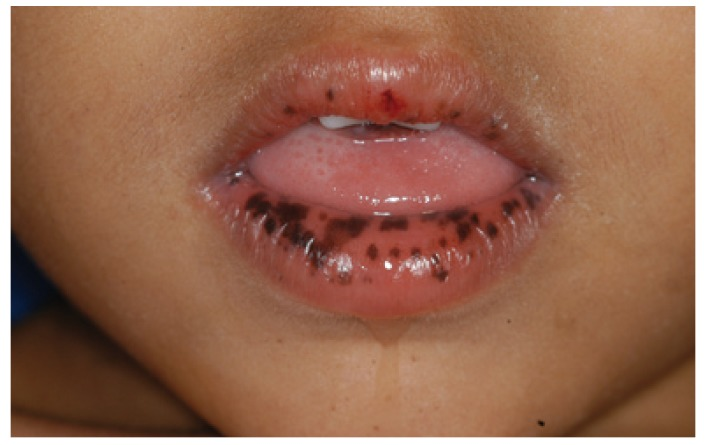
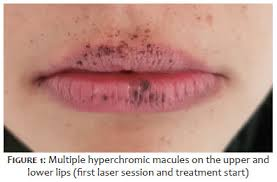
- Characterised by mucocutaneous pigmentation with multiple GI hamartomatous polyps + cancers of GI, breast, lung and genitals.
- Hamartoma – abnormal benign growth of tissue
- Commonest polyp complication is SBO, often caused by intussusception. Incidence of subsequent SBO reduced by intraoperative small bowel enteroscopy + polypectom.
- Manifestations – BCHOMPT:
- Beast Ca
- Colorectal, cervical Ca
- Hamartomatous
- Ovarian cancer
- Mucocutaneous lesions
- Pancreatic cancer
- Testicular cancer (sertoli)
- Cancer risk high but not quantified.
Diagnosis
- If 2 characteristics, considered to have PJS:
- At least 2 Peutz-Jeghers type hamartomatous polyps in small intestine
- Characteristic freckling of mouth, lips, fingers or toes
- At least 1 relative diagnosed with PJS
- Individuals who meet clinical criteria for PЈS should undergo genetic testing for a mutation in the STK11 gene.
- In the absence of a pathogenic STK11 mutation in an individual who meets clinical criteria for PЈS does not exclude the diagnosis of ΡЈЅ.
Surveillance
- Annual physical exam, haemoglobin.
- Upper and lower GI endoscopies + capsule endoscopy (from age 8). MRI enerography is an option
- Annual cervical smear from 18 or annual testicular exam
- Annual breast MRI and mamm from age 30
Picture